
Whitening doesn't clean your teeth. A scale and polish does that. Whitening changes the colour of the tooth from within.
Of every cosmetic treatment available, teeth whitening carries the least risk. No drilling. No anaesthetic. No permanent change to tooth structure. It's also one of the most over-claimed and under-explained treatments in dentistry — so here's a straight account of what it actually does.
What Whitening Actually Does
Whitening uses a peroxide-based gel — usually hydrogen or carbamide peroxide — that breaks down staining compounds within the tooth, not on its surface. This is the key distinction patients often miss.
Whitening doesn't clean your teeth. A scale and polish does that. Whitening changes the colour of the tooth from within. The gel oxidises pigmented molecules that have built up inside the enamel and dentine over years — from tea, coffee, red wine, tobacco, and simply ageing. The process is gradual and reversible in the sense that the effect fades over time and can be topped up.
Why It's the Safest Option
Properly supervised whitening, using professional-strength gel at the correct concentration with custom-fitted trays, carries minimal risk to the tooth itself. The enamel surface is not damaged by correctly used whitening gel — a claim supported by decades of clinical research, not marketing.
The two side effects worth knowing about are sensitivity and gum irritation. Sensitivity is usually temporary, manageable, and predictable — we can adjust concentration and frequency to control it. Gum irritation typically comes from gel escaping a poorly fitted tray, which is why custom trays matter more than people realise.
What whitening doesn't do: it doesn't weaken teeth, it doesn't increase decay risk, and it doesn't make teeth more porous in any clinically meaningful way when done properly.
What It Won't Do
Whitening only lightens your natural tooth colour. It does nothing to existing fillings, crowns, or veneers — these don't respond to the gel, which means a whitened smile can sometimes reveal a mismatch with old restorative work that wasn't visible before.
It also won't lighten intrinsic staining caused by certain medications (tetracycline staining is the classic example) to the same degree as it lightens surface and age-related discolouration. We'll tell you honestly at assessment whether your particular staining will respond well.
What the Appointment Process Looks Like
We start with an assessment — checking your teeth and gums are healthy enough for whitening, and discussing your expectations against what's realistically achievable. Impressions or scans are taken to make custom trays.
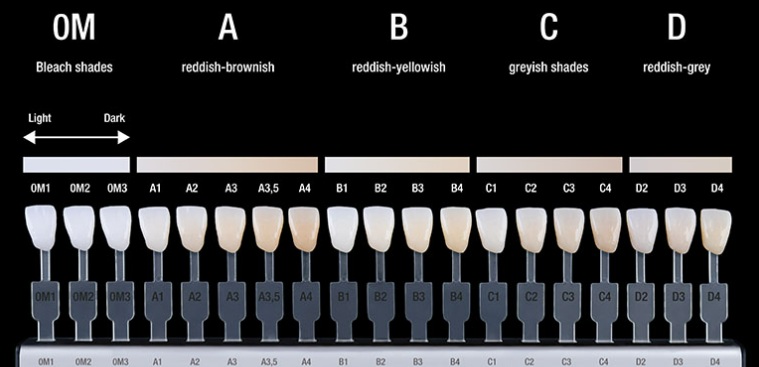
You then whiten at home, using the trays with professional-strength gel, for a period we determine based on your starting shade and goals — typically two to three weeks. We check in during the process and adjust as needed.
Maintaining the Result
Whitening fades. Not suddenly — gradually, as the same staining processes that discoloured your teeth originally start again. How quickly depends on your diet, your habits, and your individual biology.
Most patients top up periodically — a few nights with their trays every six to twelve months keeps the result maintained indefinitely. The trays are yours to keep.
If You're Considering It
The first step is an assessment to check whitening is right for your teeth and to set realistic expectations about the result.